
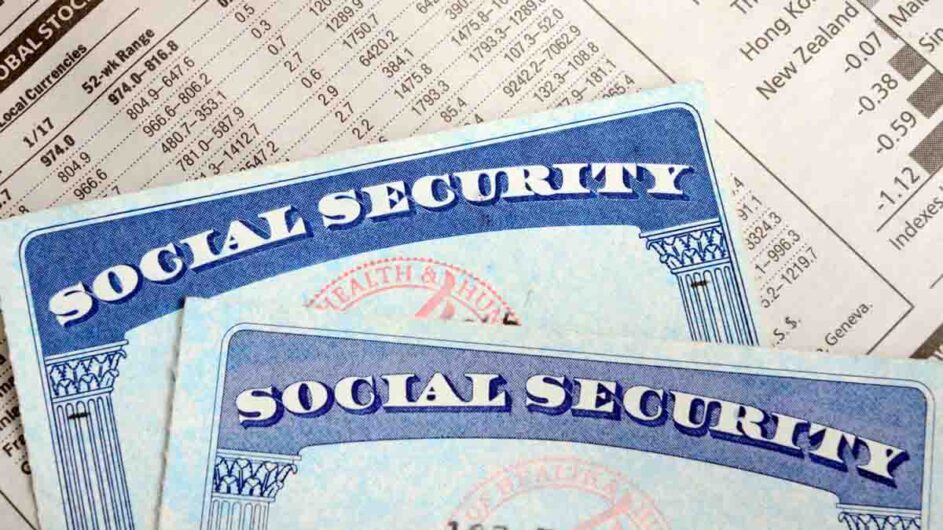
Over the course of a marriage, two lives become inexorably entwined. Divorce untangles them. A relatively straightforward feat in shorter unions, it gets messier the longer you and your spouse stay together. Many people neglect to account for how ending a marriage affects retirement, Social Security, and more.
How Divorce Affects Social Security
If you’ve been married for over ten years, you need to know how divorce affects Social Security.
When you collect Social Security benefits based on your former spouse’s work record, many factors come into play.
Social Security Basics
You must have been married for at least ten years, be older than 62, and you must be currently unmarried. Whether or not your ex remarries doesn’t matter.
To receive Social Security based on your former marriage, any benefit based on your work history must be less than what you’d get from your spouse.
Essentially, you collect one or the other, not both, and receive the larger payout.
To acquire these benefits, your former partner must actually be eligible for Social Security retirement or disability in the first place.
Even if your ex hasn’t taken them yet, if you divorced more than two years ago, the law allows you to claim these allowances.
Related Reading: Can You Make Major Purchases During a Divorce?
Social Security Benefits
So, you’re eligible to collect Social Security based on your former spouse’s work history. Great. What you get depends on what they qualify for and when you take them.
- If you wait until you hit full retirement age, you’ll be eligible for payments that are half of what you would get.
- However, if you opt to receive payments before you hit full retirement age, less money comes your way. Not only will the payments be lower, but they will also remain lower permanently.
Related Reading: How is Student Loan Debt Handled in Divorce?
If Your Ex Dies After the Divorce
Death is a part of life, especially as we get older. Your ex may die before you. In this situation, there’s some good news: you may still be eligible for benefits.
You may qualify as a surviving divorced spouse. If you fit this bill, the survivor benefits are 100% of what your ex received at the time of death.
To meet these Social Security requirements, you must be older than 60, or 50 if you have a disability. And again, your marriage must have lasted at least ten years.
Depending on the circumstances, remarriage also affects whether you qualify as a surviving spouse.
If you marry again before turning 60 (or 50 if you have a disability), you no longer meet the requirements.
However, if you wait until after 60 (or, again, 50 in the right circumstances), you can remarry and still collect against your former spouse.
Related Reading: How To Protect Your Business During A Divorce: How Is It Divided?
Multiple Marriages
People often marry multiple times. And multiple divorces have become almost as common. This, of course, impacts potential Social Security benefits. It also matters which spouse has multiple exes.
You married multiple times
If you’ve been married and divorced multiple times, you can still collect Social Security based on your ex. As with most situations, ten years is the magic number. So, in the case of shorter marriages, you likely won’t qualify. And you can only collect a single benefit. If you were married three times, you don’t collect three checks. Sorry.
Your ex married multiple times
As long as your marriage lasted ten years or more, you can still claim Social Security benefits using your ex’s record. In fact, if they crossed the ten-year threshold, any former spouses qualify, no matter how many exist. If you meet the requirements, you get the benefits, even if there are other former spouses and even if they also apply.
Related Reading: High Asset Divorce Mistakes And Divorce
Social Security And Children
In most situations regarding divorce, the presence of children complicates matters. Unsurprisingly, that’s also the case when it comes to collecting Social Security benefits after divorce.
If you care for an ex-spouse’s child under the age of 16—and the child is biologically yours or legally adopted—you qualify to receive benefits based on your spouse’s work record at any time. Even if the marriage lasted less than ten years. These benefits continue until the child turns 16.
In long-term marriages, Social Security often becomes an important retirement benefit. As with most legal issues, the rules and requirements get complex and tricky. However, it can represent a substantial amount. In many cases, it forms a vital piece of your financial puzzle. Because of that, it’s likely in your best interest to at least explore the idea.
Also, any benefits your former spouse receives have no bearing on your own Social Security. Even those based on your work history.
Related Reading: Property Division And Unexpected Divorce Assets